
TECHNĒ 1.0
Art in the age of space exploration
TECHNĒ 1.0, the inaugural spring 2025 convening at 21c Museum Hotel, opened the series as a focused summit on how AI, Web3, quantum technologies, and immersive media are reconfiguring contemporary art’s tools and institutions. With contributions from Claire Isabel Webb, Erick Calderon, Eduardo Kac, Nancy Kawalek, and others, the program staged keynotes, conversations, and digital installations as a single curatorial arc, treating emerging technologies as both material and subject for serious artistic inquiry. The result was a compact but high-intensity gathering that announced TECHNĒ as a place where future-facing artistic practices and cultural infrastructures can be examined together, rather than in parallel.
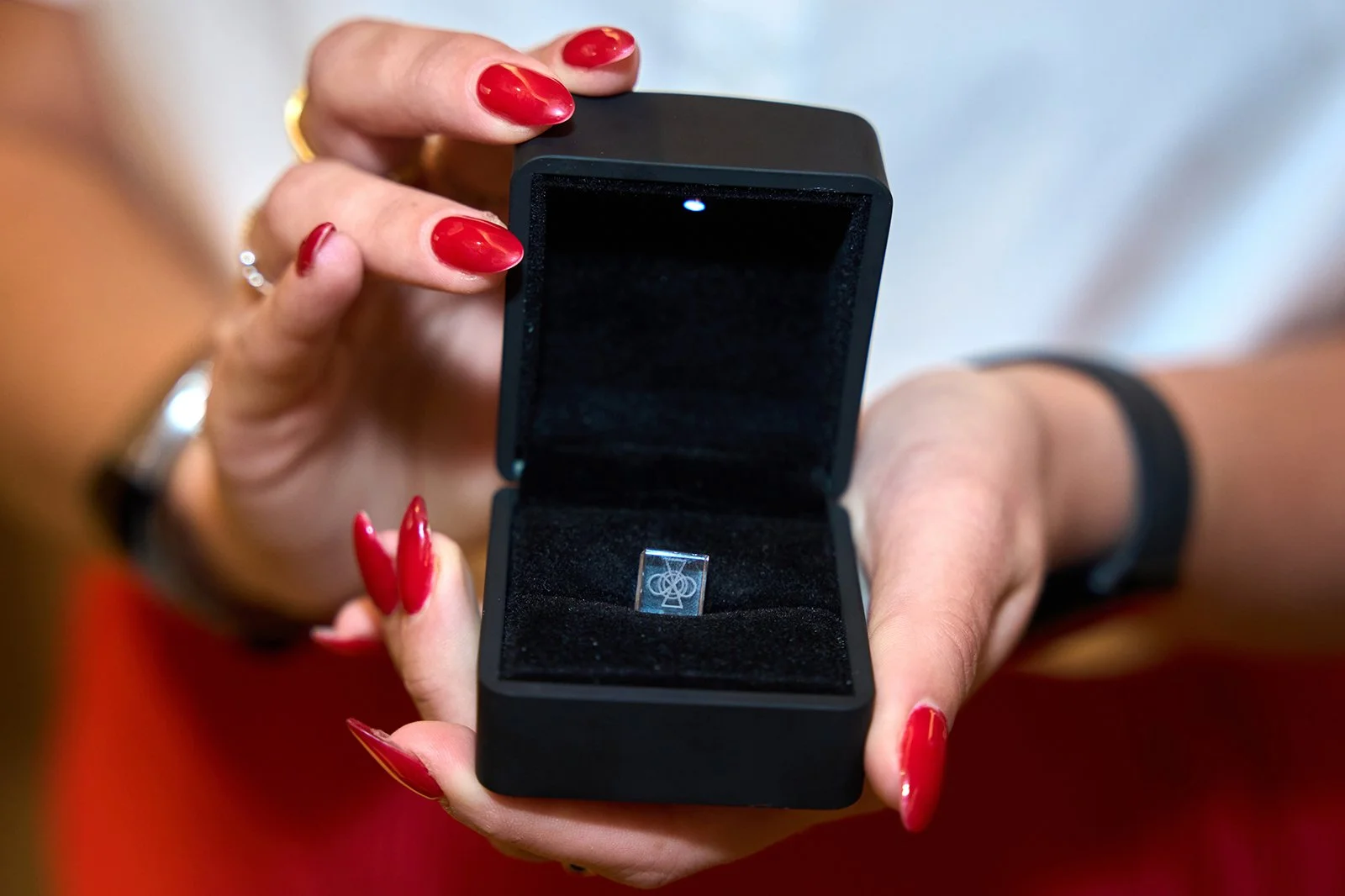
21 c hotel
April 22, 2025
9:00–1:00 pm summit
speakers
speakers
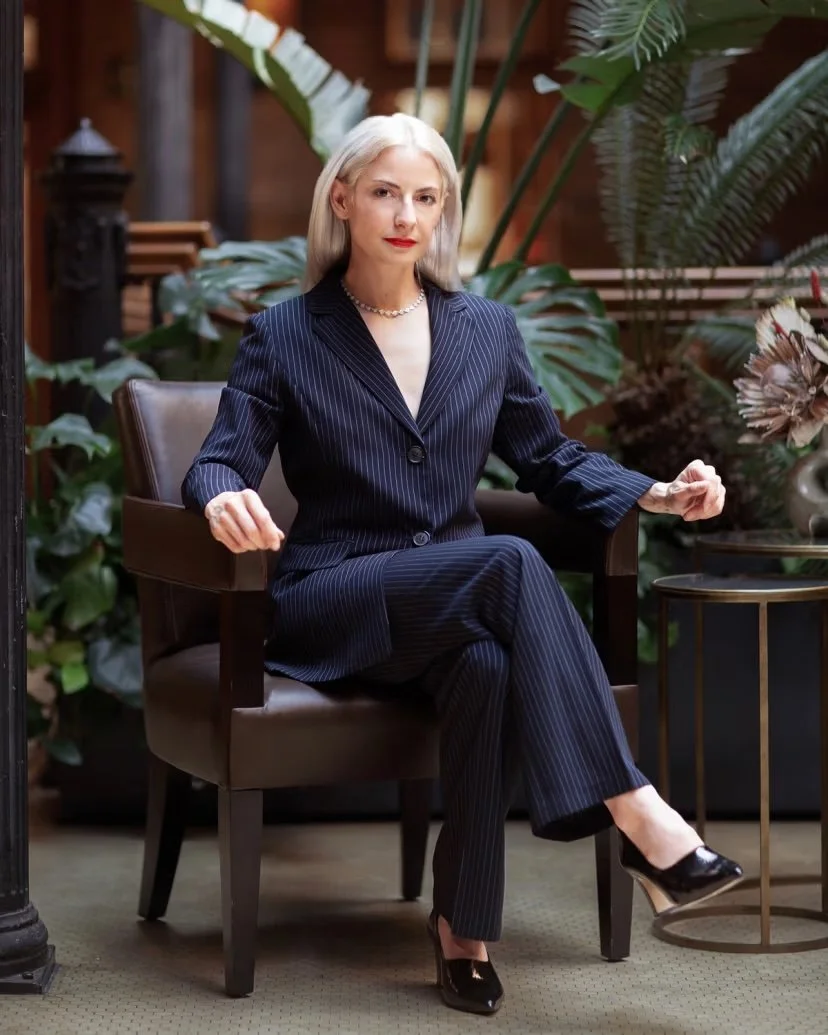
claire isabel webb, director of the future humans program, berggruen institute
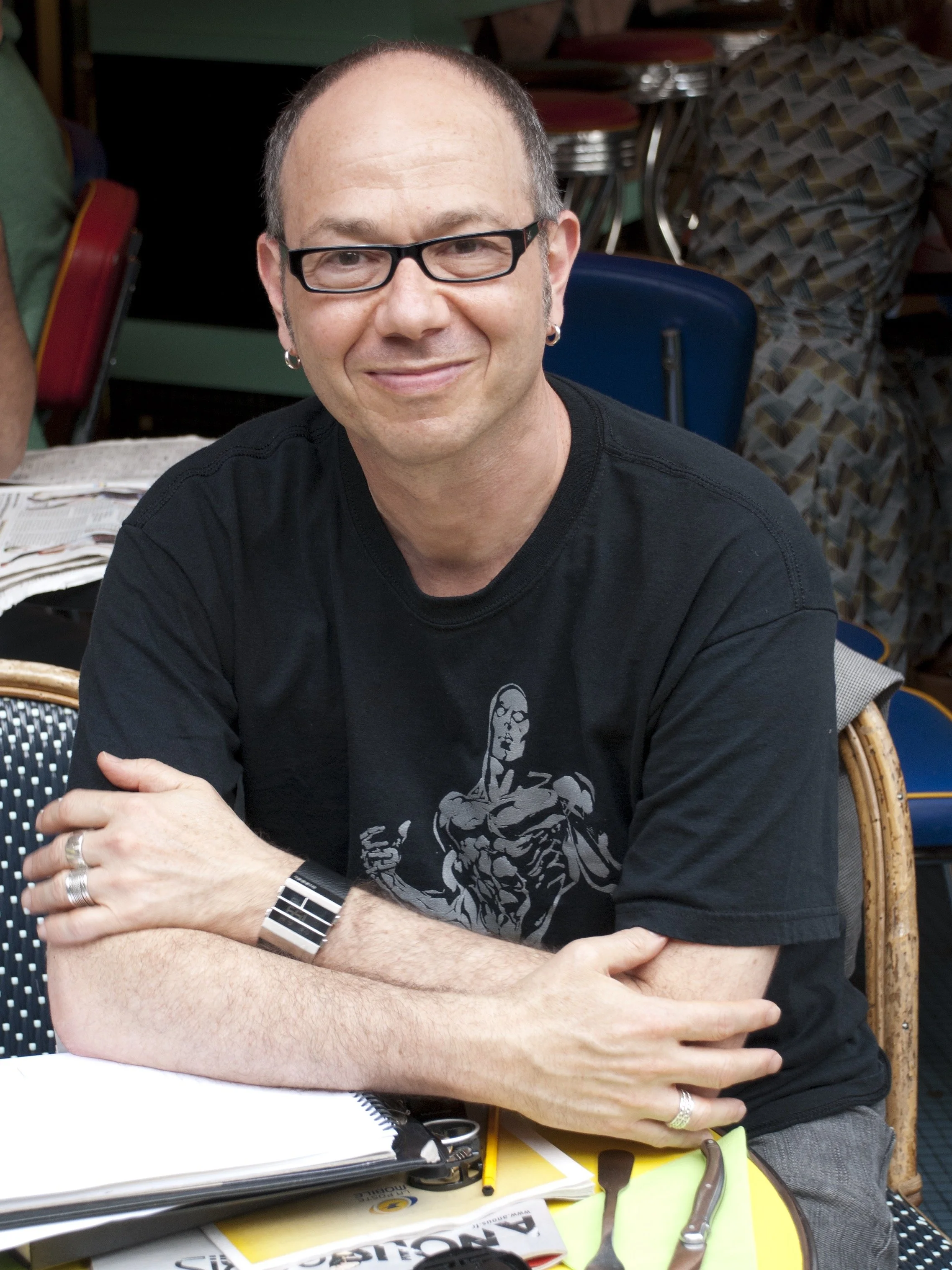
eduardo kac, space artist
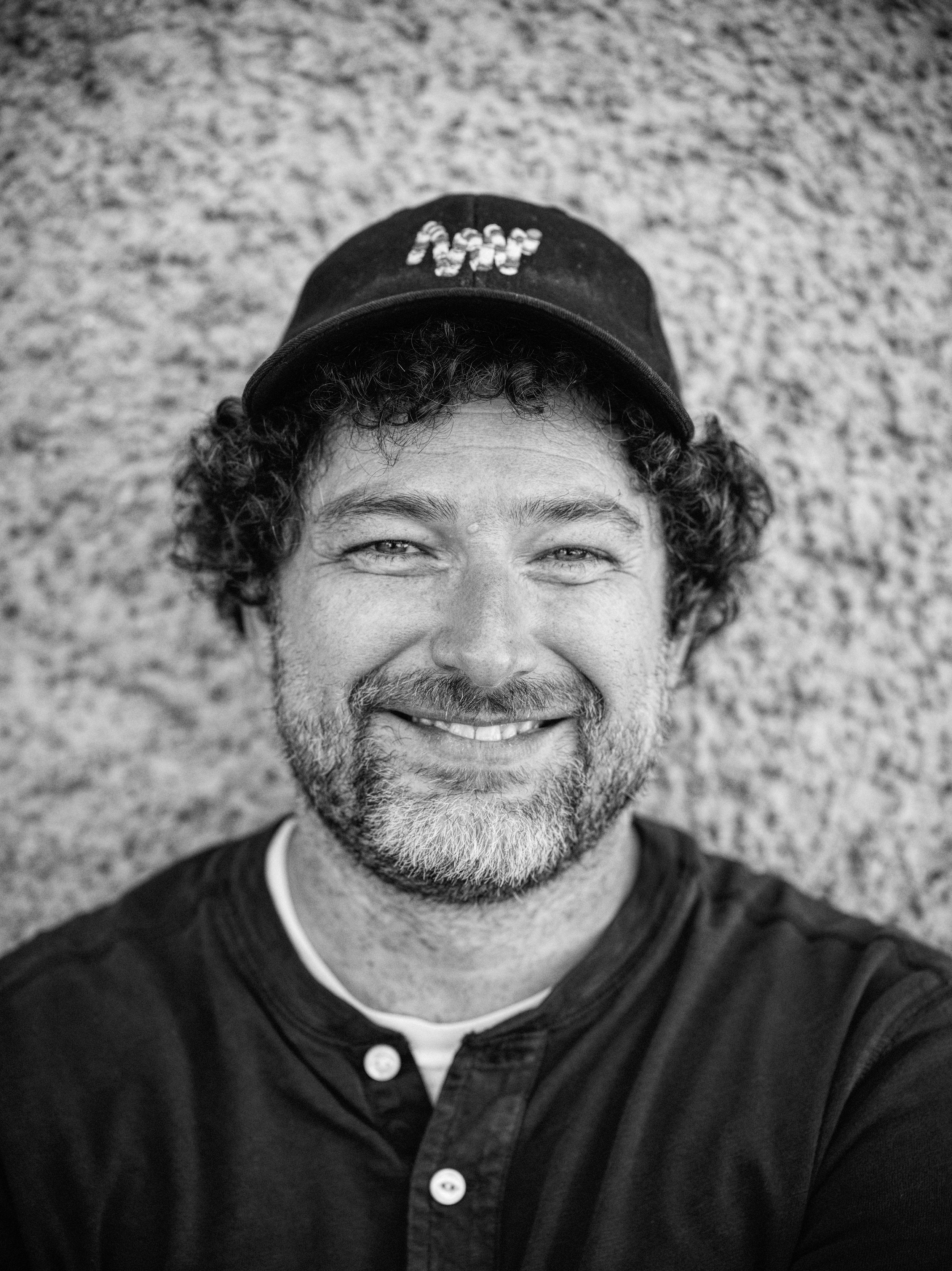
erick calderon (snowfro), ceo & founder of art blocks
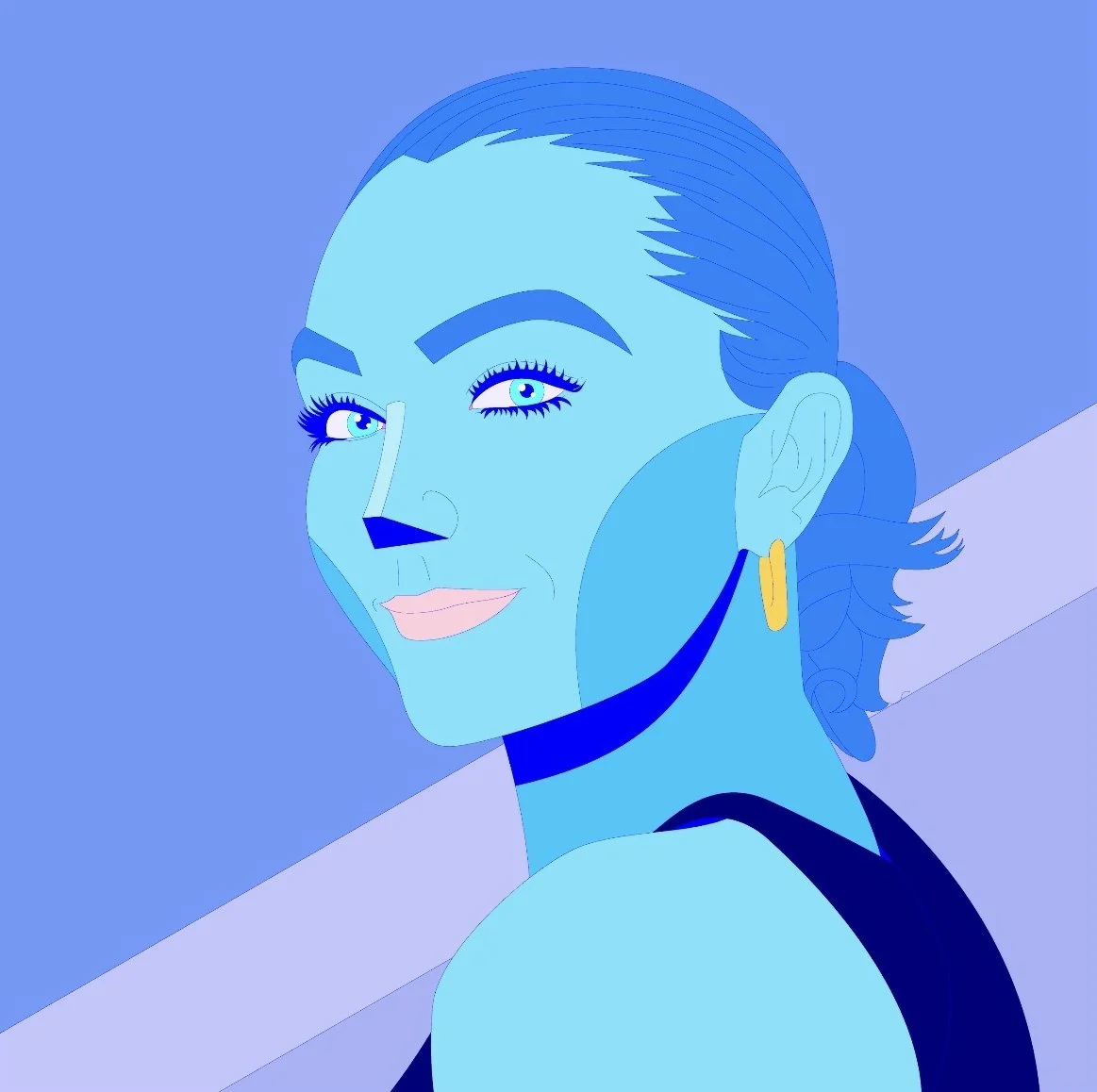
aniko berman, director, art of this millennium
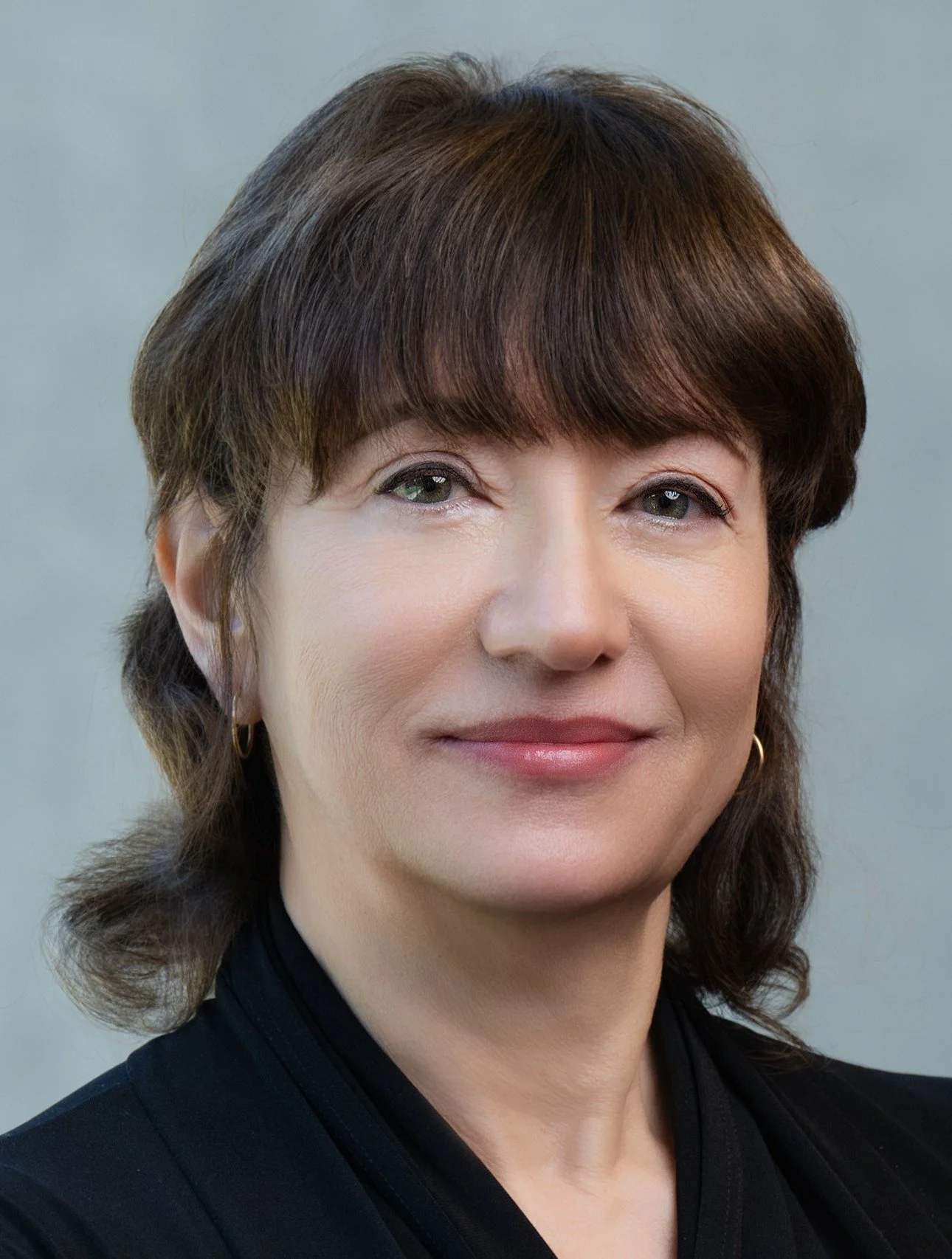
nancy kawalek, Professor and Distinguished Fellow in the Arts, Science and Technology, Univ. of Chicago Pritzker School of molecular engineering
THemes INDEX ▼
01 Future infrastructures of art
How AI, blockchain, quantum technologies, and immersive media are reshaping the underlying systems through which art is made, distributed, and collected.
02 generative & web3 practices
On-chain generative art and Web3 ecosystems as new conditions for authorship, value, and community around digital work.
03 space, telepresence, and the cosmic studio
Art beyond Earth, telepresence, and speculative space practices as ways to rethink scale, site, and the limits of the exhibition space.
04 funding the future
Cross-disciplinary funding models and partnerships needed to sustain experimental work at the intersection of art, science, and technology.
05 art as critical interface
Artists as early interpreters of emerging systems, translating complex technical paradigms into forms that publics and institutions can see, feel, and debate.